
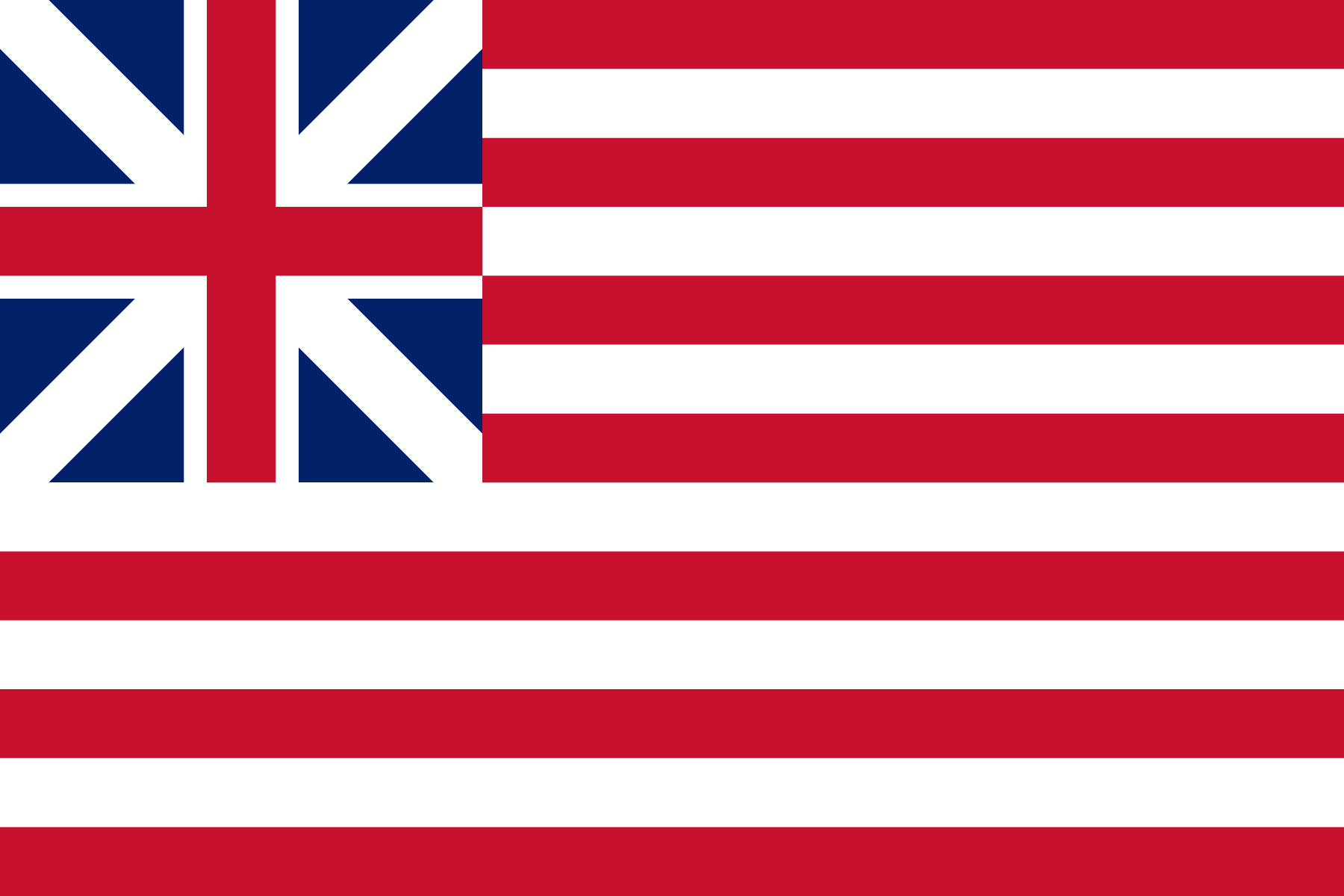
The Grand Union Flag, the first to represent all the 13 colonies in the Revolutionary War, was accepted officially by George Washington on January 2, 1776. The 13 red and white stripes represented the colonies, the British Union Jack, with the crosses of St. George and St. Andrew represented a continued loyalty to Britain for the colonists were not yet planning complete independence.
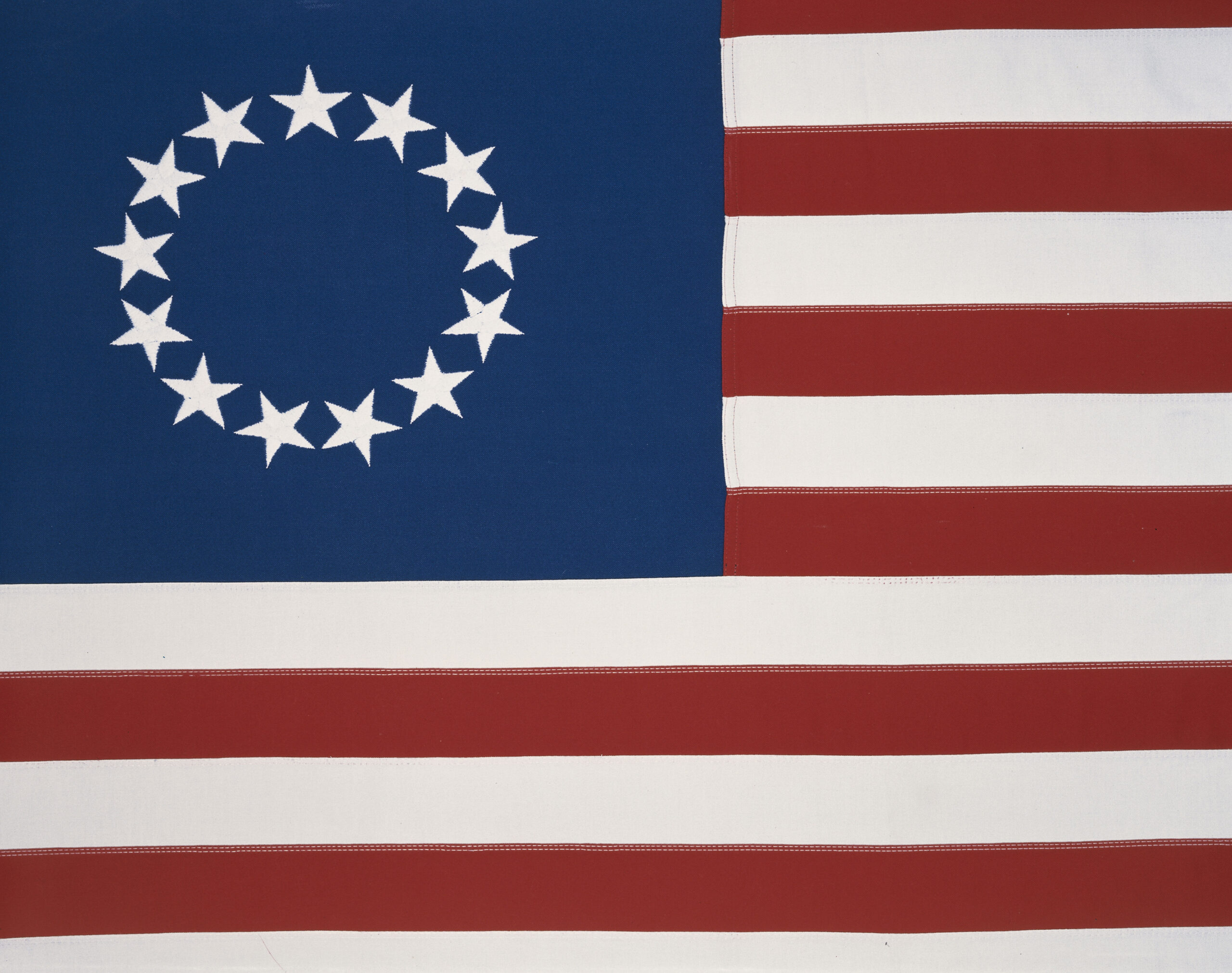
When total independence was declared by the Declaration Of Independence on July 4, 1776 a new flag was needed. On June 14, 1777 the Flag Resolution was passed by the Continental Congress to adopt a flag that would stand for valor, purity and justice with 13 stripes for the colonies and 13 stars in a circle to show equality among the colonies. No one knows for sure who made that first American Flag, but in 1870, the grandson of Betsy Ross claimed his grandmother, who was born in 1752, made the flag. She was an upholsterer who made tents and uniforms for soldiers and, under the direction of George Washington, she made the flag according to The Flag Resolution passed by the Continental Congress on June 14, 1777. It is believed that the original Betsy Ross flag does not exists today but there are replicas at the Betsy Ross House in Philadelphia and replicas of this flag have been seen flying on buildings in Washington DC to honor the 250th birthday of the nation.
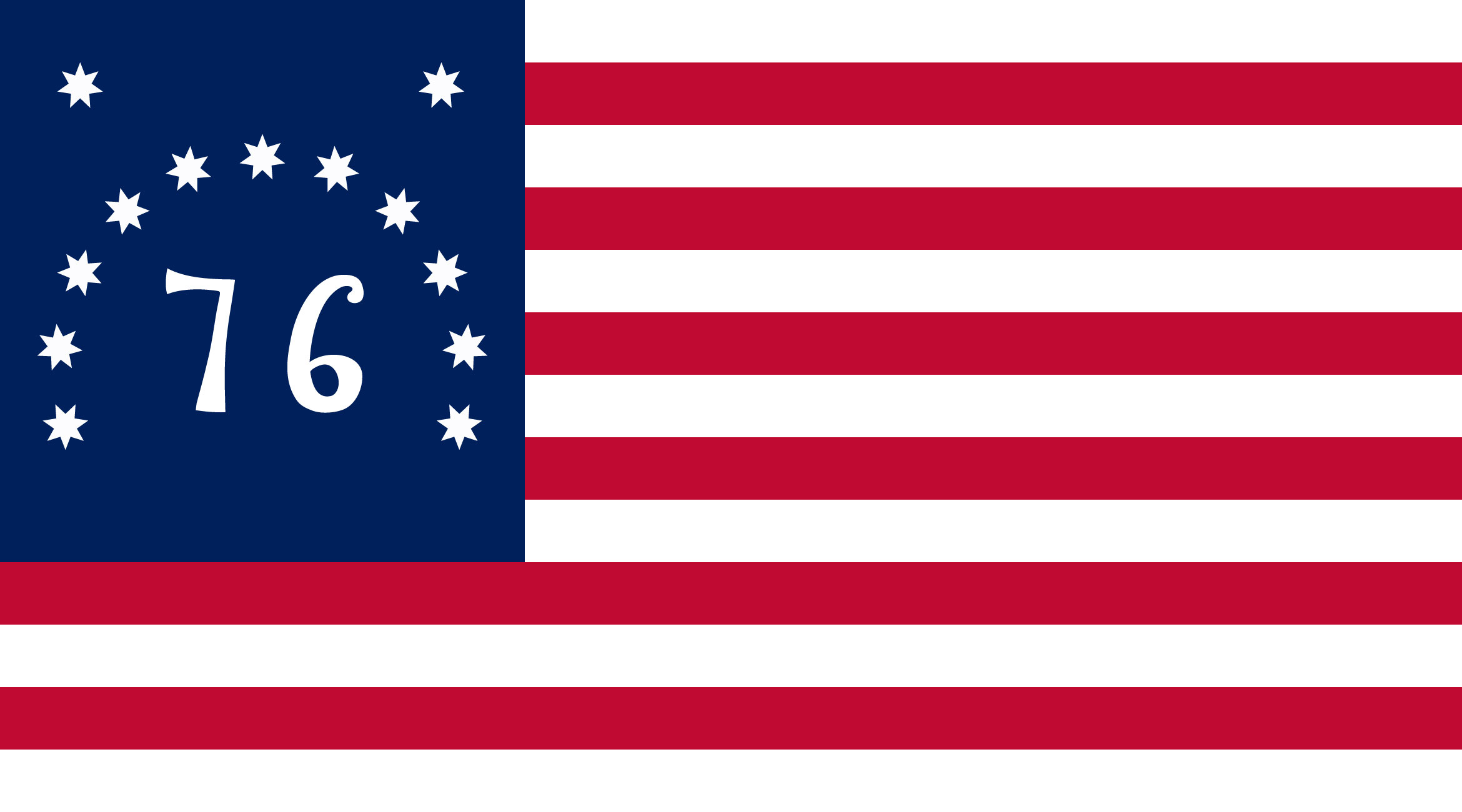
One the oldest American flags is the Bennington Flag carried on August 16,1777 in the Battle of Bennington, Vermont during the American Revolution. This flag had 13 stripes and 13 stars but added the number 76 in the middle of the circle of stars. The “76” was a reference to when the Declaration of Independence was signed. It was about 5 feet by 10 feet. It is remembered not just because of the Battle of Bennington but as a reminder of the American Revolution and the values of independence and unity that we still celebrate today. Owned by the Fillmore family it was finally given to President Millard Fillmore in the 1850’s who was the grandson of the first owner. It is now on display in a Vermont Museum.
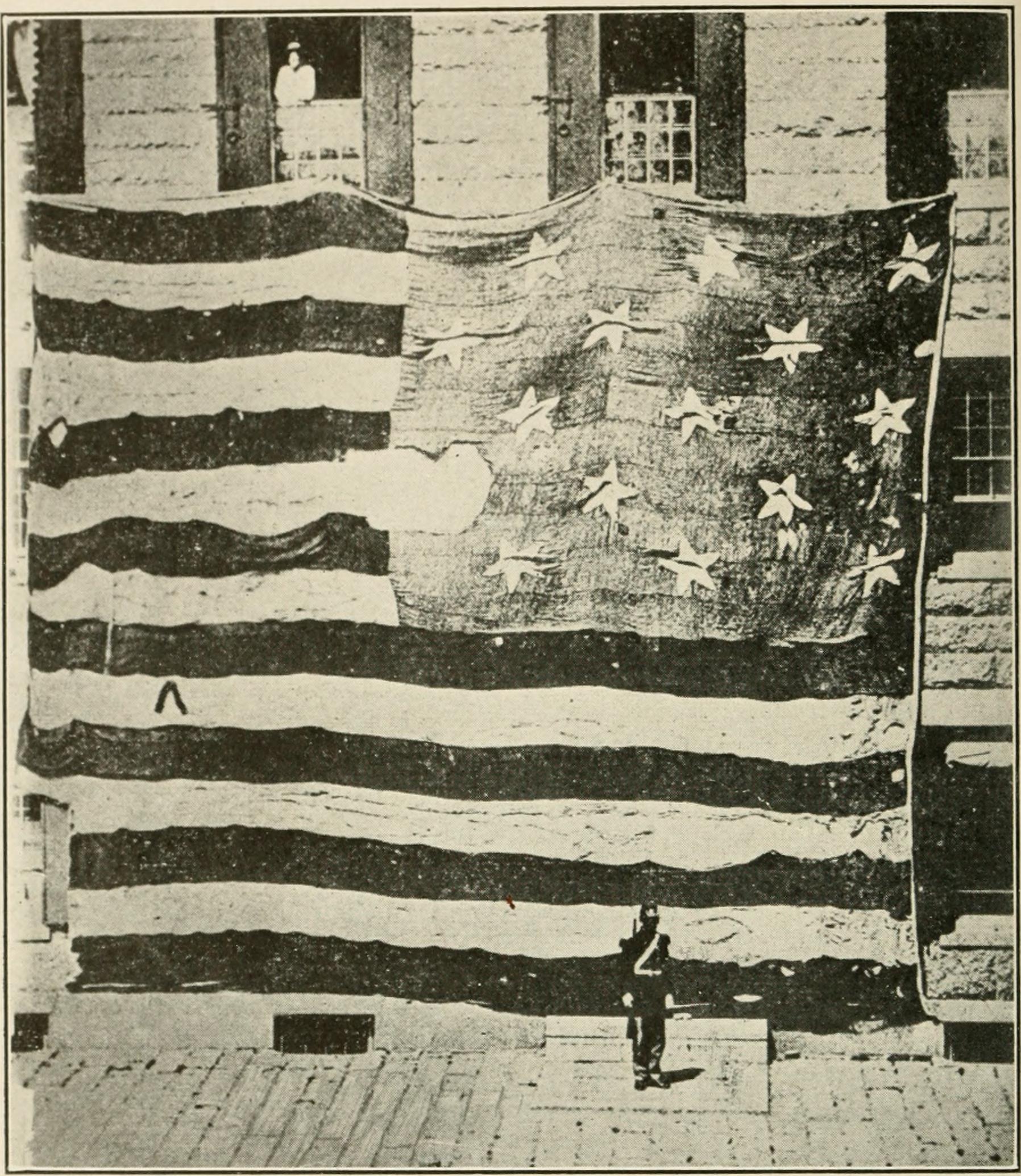
Another historic flag was the one that flew over Baltimore’s Fort McHenry in Maryland on September 14, 1814 during the War of 1812. It inspired Francis Scott Key to write the The Star Spangled Banner. Made in 1813 by Mary Young Pickergil, a seamstress, it was made of wool and cotton and cost about $400.00. It was 30 by 42 feet and weighed 50 pounds taking 11 men to carry it. Because it flew over the garrison it was made extra large making it easily seen from a distance by the British. That flag had 15 stripes and 15 stars as now a stripe and star was being added for each new state entering the Union. It is the only official American flag today that has more than 13 stars and stripes. As more states entered the Union Congress decided in 1818 to pass the Flag Act stating the flag will return to 13 stripes for the original colonies and a star would be added for each new state. This flag was passed on to the Appleton family who lent it in 1907 to the National Museum of American History part of the Smithsonian Institution in Washington DC. In 1982 it was restored at a cost of 5 million dollars and is now on display in a protective environment.
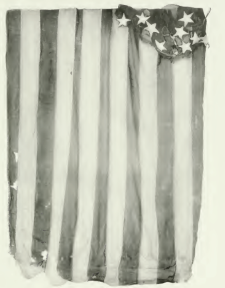
Some say “Old Glory” is a nickname for the flag but there really was a flag called Old Glory. Old Glory was made by the mother of Captain William Driver in 1824 and presented to him on his birthday to fly on his ship as he traveled around the world. As he left the harbor in Massachusetts on that day he unfurled the flag and called out “Behold Old Glory.” Born in 1803 in Salem, Massachusetts, Captain Driver was a U.S. merchant seaman sailing to China, India, Gibraltar and the South Pacific. Retiring from the sea after 30 years, he settled in Tennessee and he took Old Glory with him and flew it on holidays. It was so large he attached a rope from a attic window and with a pulley it was stretched across the street to a tree. Over the years his daughters added 10 additional stars for new states that entered the Union. When Tennessee seceded from the Union during the Civil War, Driver wanted to protect Old Glory as he was a Unionist living in a Confederate state and his sons were fighting for the Confederacy. He decided to hide it by sewing it into a coverlet for his bed. It survived and after the Civil War he again flew it from his window. Captain Driver died in 1886 but before he died he gave Old Glory to his daughters and said “This is my old ships flag Old Glory. I love it as a mother loves her child. Take it and cherish it as I have for it had been my friend and protector in all parts of the world.” Over the years Old Glory was owned by different family members but in 1922 it was presented to President Warren G. Harding and now can be found in the Smithsonian Institution.
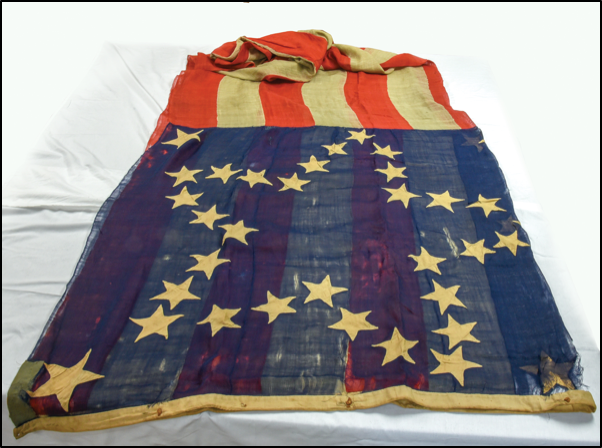
Photo: Darien Historical Society
On July 3, 1861 another flag, the Cass Flag,was made. Before Darien was incorporated in 1969 the community of Cass was located along what is now the North Frontage road of I-55. With the coming of the 4th of July the people here wanted a flag to fly. When trying to buy one in Chicago failed, they decided to make a flag. With material that George Heartt bought in Chicago, ladies, under the direction of Eliza Smart, sewed all night to make the flag that was about 11 feet by 6 feet with 34 stars representing the 34 states in the Union in 1861. The flag was flown on many occasions and over the years was passed on to several different places and forgotten. In 1986 a note was found telling about the flag and in 2016 the Cass Flag was found at the American Legion Post in Downers Grove. The flag has now been returned to Darien and is on display at the Old Lace Schoolhouse Museum.
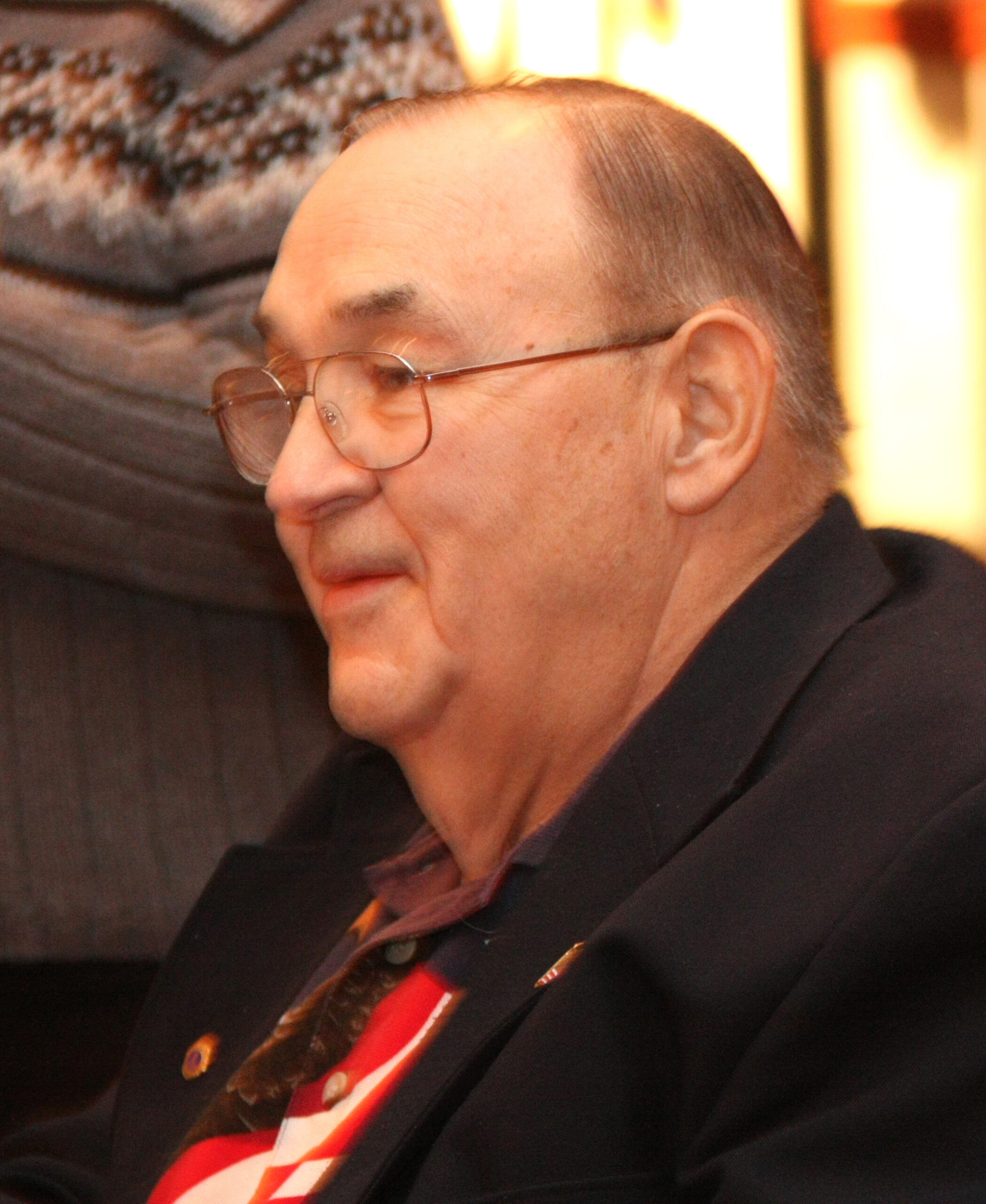
Photo by Gage Skidmore
Just as we know something about the makers of the other flags we know who designed the 50 star flag we fly today. It was a 17 year old student named Robert Hefl of Michigan. He designed it as a school project in 1959 when Alaska was added to the Union. His design was picked by President Eisenhower over some 1,500 that were submitted. Robert, lived to be 67 and died in 2009 in Michigan.