
1760
From the 1760s to 1833, the Potawatomi tribe extended into northern Illinois, including the area that is now part of Downers Grove. As white settlers arrived in the Fox Valley area in the 1830s, they were befriended by Aptakisic (also known as Half Day), who was a chief of one…
Read More

1814
This map shows the proposed boundaries for the proposed state of Illinois as of 1814. The Illinois Congressional delegation, led by Nathaniel Pope, pushed for an amendment to the original statehood bill to extend the border sixty miles north. This ensured access to Lake Michigan and the lead mines in…
Read More

1818
Illinois achieved full statehood on Dec 3, 1818. Though Illinois presented unique challenges to immigrants unaccustomed to the soil and vegetation of the area, it also promised great opportunities and it grew to become a bustling and densely populated state. With it’s access to both Lake Michigan in the Northeast…
Read More

1832
The first settler in Downers Grove was Pierce Downer, who arrived in 1832. This Vermont native, but long-time New York resident, camped alone in a grove of oak trees at the fork of two ancient Indian trails. He staked his claim to the surrounding 160 acres of prairie and timberland,…
Read More

1836
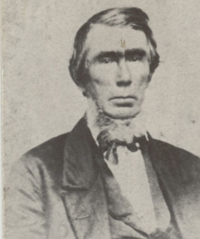
In 1836, Israel Blodgett and wife Avis left a homestead near Naperville to establish a farm and blacksmith shop south of what was to become Maple Avenue. Some of Israel’s earliest customers were Indians who brought firearms to be repaired. Israel and Avis Blodgett were one of the first settlers…
Read More

1838
Israel Blodgett and Samuel Curtiss widen Maple Avenue from a Native trail to a road.

1839
1839 — The oldest standing home in Downers Grove is built by Reverend Orange Lyman at 806 Maple Avenue.

1839
After receiving letters from Martha’s brother-in-law Walter Blanchard describing the opportunities out west, Henry and Martha decided to come west to farm. Walter, who sold him a hundred acres of land, had moved here in 1836. When Henry came here with his family in 1839 when there were only six families in the…
Read More

1842
Henry Carpenter opened the first store and post office in 1842. Carpenter also subdivided his land, resulting in growth of the village near his store on Maple Avenue just west of the future Main Street.

1846
Israel and Avis Blodgett, and their eight children, move from their log cabin into their new frame home.

1851
1851 – Southwest Plank Road (now Ogden Avenue) is extended from Brush Hill to Naperville. The Southwest Plank Road was was constructed using wooden planks, 3 inches thick and 8 feet wide. These were nailed to log stringers at the outer edges. The planks kept wheeled vehicles from getting bogged…
Read More

1860
A political group, called The Plow Boys, campaign for Abraham Lincoln.

1860
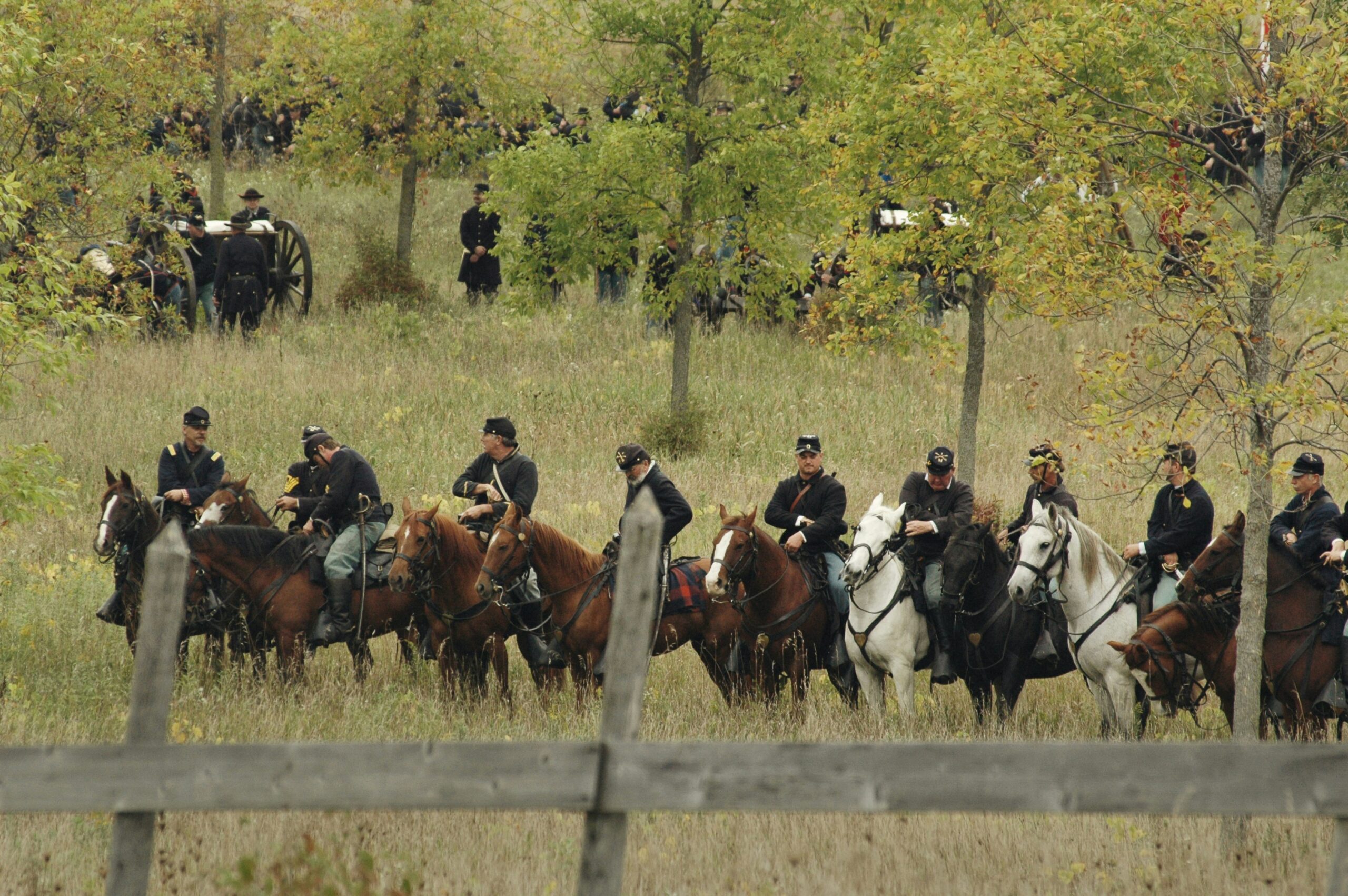
Between 1861 and 1865, over 100 Downers Grove men serve during the Civil War, including three members of the Blodgett family.

1861
May 24, 1861 The Downers Grove Company, the 13th Illinois Volunteer Infantry led by Captain Walter Blanchard was mustered into service at Dixon, IL.

1864
May 1864 – The Chicago, Burlington and Quincy Railroad (CB&Q) Railroad is built through Downers Grove. It is now called the Burlington, Northern & Santa Fe Line (BNSF).